
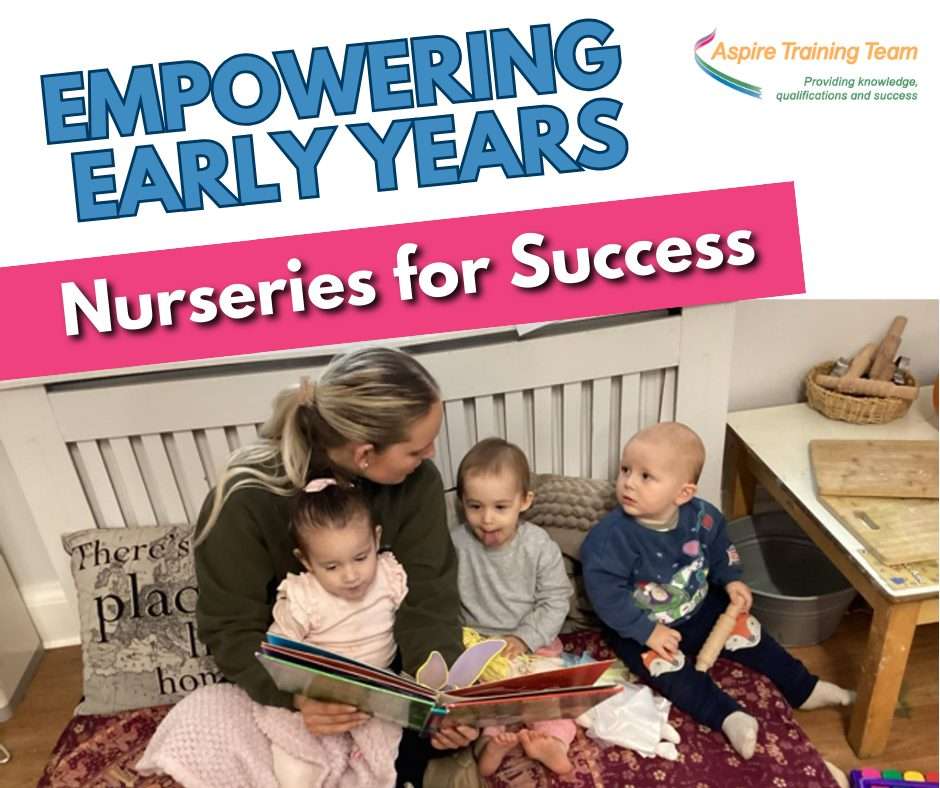
In the fast-paced world of early years education, flexible working is more than just a buzzword. It is a strategy that can transform your nursery! With staffing challenges and evolving demands, nursery managers need innovative approaches to ensure efficiency and maintain a happy team. Flexible working can help achieve this.
Understanding Flexible Working in Early Years Settings
Flexible working can take many forms. From job sharing and staggered shifts to compressed hours and remote administrative roles. For nursery settings, this adaptability can mean having staff start and finish at different times to cover peak hours. Or enabling non-child-facing tasks to be completed from home. By exploring these options, nurseries can better balance staff needs with operational demands.

Benefits for Well-Being and Mental Health
Staff in early years settings often juggle demanding schedules and responsibilities. Flexible working can alleviate some of these pressures by offering greater control over work-life balance. When employees feel supported, their mental health improves. This leads to higher job satisfaction and reduces sick days. A happy team translates into a more positive environment for children and parents alike.
Implementing Flexibility Without Compromising Quality
To implement flexible working effectively, nursery managers should start with open communication. Regular check-ins with staff can identify individual needs and preferences. Some team members might prefer early starts, while others thrive with a later shift. Utilising digital tools to manage rotas and scheduling can also make flexibility easier to coordinate while ensuring compliance with child-staff ratio requirements.
Creative Staffing Solutions for Flexibility
Hiring apprentices or part-time staff can add a layer of flexibility to your workforce. Apprentices bring enthusiasm and fresh ideas while supporting day-to-day operations, freeing up senior staff to focus on professional development or leadership tasks. Job sharing between experienced staff members can prevent burnout while maintaining high-quality care.
Check out our Apprenticeship opportunities here

Prioritising Staff Well-Being in Flexible Working Models
Flexible working isn’t just about adjusting schedules. It is about creating a culture that values well-being. Encourage mental health days, provide access to counselling services, and promote a supportive environment where staff feel heard. When your team knows their well-being is a priority, they are more likely to stay engaged, productive, and committed to their roles.
The Path to a Thriving, Flexible Nursery
By embracing flexible working, nursery managers can build a resilient and adaptable team that meets the challenges of modern childcare. Beyond operational efficiency, it fosters an environment where staff well-being and mental health are integral to success. As a nursery leader, taking these steps ensures you’re not only meeting the needs of your team but also creating a thriving space for children to grow and learn.
Empower Your Nursery with Expert Training – Book a call today! CLICK HERE